

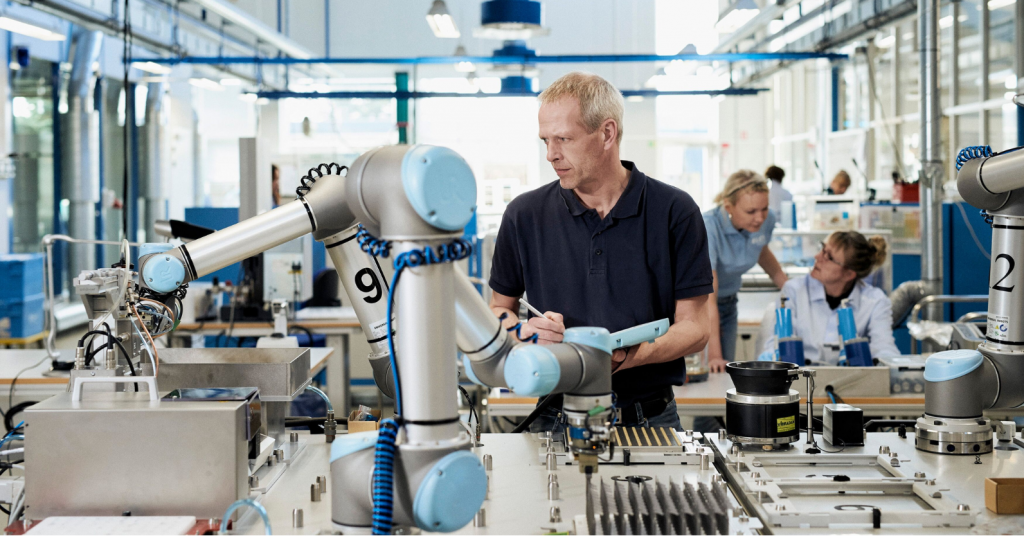
Universal Robots (UR), a global leader in collaborative robots (cobots) sees turnkey solutions providers who successfully create new applications and products around existing technologies to be one of the main drivers for robotics industry’s growth in 2023 and beyond.
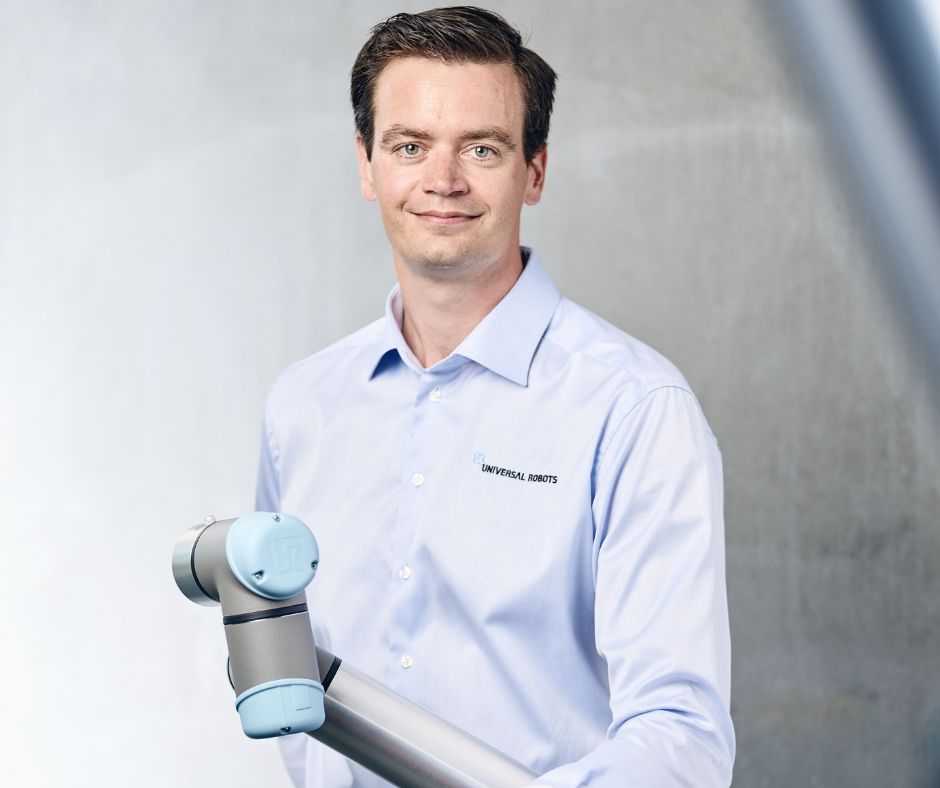
According to Anders Beck, Vice President of Strategy and Innovation at Universal Robots, businesses will rely ever more on technology and innovation in 2023 to break new ground with turnkey solutions at the heart.
Malaysia’s National Robotics Roadmap (NRR) 2021 – 2030 has set its target to establish robots as a major enabling technology to boost productivity, competitiveness, and people’s quality of life. NRR focuses on three high-impact industries: manufacturing, agriculture, and services (retail & healthcare) industries that will greatly increase GDP.
Universal Robots lists five key predictions that will drive automation industries in 2023:
- Turnkey solutions will increase accessibility to automation
Creating a robotic system requires hardware development, software development, application development, sensors, and interfaces. Original Equipment Manufacturers (OEMs) are able to drive innovation by combining technologies to deliver complete solutions for the most common applications, such as welding and palletizing. Automation will become more sophisticated yet more straightforward to use than ever before.
- Manufacturers will switch to modular production
Traditional industrial robots which are typically large and fixed require complex deployment. Larger companies will turn to lightweight cobots to increase modularity in their production. Robot weight and versatility will be key specifications for those looking for new automation solutions with more reconfigurable robotic work cells.
- Higher payload and longer-reach cobots will change the landscape for some applications
As more companies move towards cobot automation, many are looking to handle heavy payloads with higher payload, longer reach cobots. In 2023, these will continue to transform parts of the manufacturing industry, improving the working lives of many.
- Long-term growth in industrial robot installations will continue
The recent IFR World Robotics Report showed that industrial robot installation reached an all-time high in 2021 increasing by 31% over the previous year. Overall, worldwide annual robot installations between 2015 and 2021 have more than doubled.
UR expects the upward trend of cobot automation to resume in 2023 as global businesses continue to face labor and skills shortages.
- Customers will be the heart of product development
As the automation market matures, robotics companies will involve end-customers much more in product development.
UR predicts that co-development projects where robotics companies and customers work together in developing specific solutions are set to increase in 2023 and beyond.
“While traditional industrial robots remain important in some parts of manufacturing, there is an increasing trend towards deploying more flexible models of production. Cobots are designed to work alongside humans and are better suited to environments that require flexibility and adaptability. On top of this, they are most cost-effective for businesses looking to deploy automation – a key consideration going into 2023,” concluded Beck.
Join our Telegram channel to receive the latest news alert