

Less air pollution during MCO and NRP
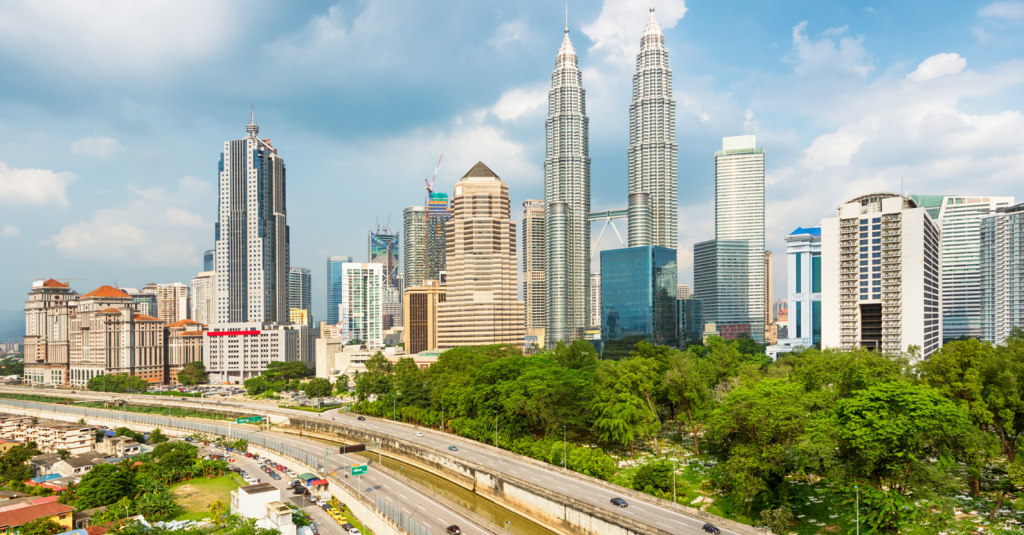
Without a doubt, the pollution level amid the COVID-19 pandemic, was gradually reduced following the decline in the number of vehicles on highways due to the tough Movement Control Order (MCO) measures enforced since last year and during the National Recovery Plan (NRP) period.
Senior Fellow at the Institute for Environment and Development (LESTARI), Universiti Kebangsaan Malaysia (UKM) Assoc Prof Dr Ahmad Fariz Mohamed said, based on a study conducted by several Malaysian researchers, the MCO’s implementation has had an impact on the carbon emissions released by vehicles on the road.
He also cited a 2021 study on “Air pollution impacts from COVID-19 pandemic control strategies in Malaysia, Journal of Cleaner Production” conducted by two UKM lecturers, Dr Murnira Othman from the university’s Institute for Environment and Development (LESTARI) and Prof Dr Mohd Talib Latif from the Faculty of Science and Technology.
The study revealed that there was a difference in terms of particles released into the air before and after the MCO namely, PMO (fine dust), PM2.5, SO2 (Sulphur Dioxide), NO2 (Nitrogen Dioxide), O3 (Ozone) and CO (Carbon Monoxide).
“The studies were conducted from Jan 1- March 2020 and from March 18-21 April, 2021 in nine towns in Malaysia; Kuala Lumpur, Seremban, Johor Bahru, Kuantan, Kota Bharu, Kuching, Kota Kinabalu, Ipoh and Alor Setar. Findings of the studies showed a significant drop in particles released into the air.”
“The NO2 particles were reduced by an average 40 per cent with a significant drop of 62 per cent in Kota Kinabalu. For other pollutants such as PM10, PM2.5, SO2, 03 and CO, there was a significant reduction in Kota Kinabalu (17 per cent), Kuantan (9.5 per cent), Alor Setar (38 per cent), Kota Bharu (15 per cent) and Ipoh (27 per cent).”
However, Ahmad Fariz said with the easing of restrictions after the MCO in April 2020, the improved air quality was not maintained, no thanks to more vehicles on the road contributing to the air pollution.
Hence, the best way to reduce the air pollution, he said, is through an efficient and integrated public transportation network that can cope with passenger demand, with easy connections across various modes of transport such as buses, taxis and trains.
“Parking provisions are also vital to reduce the number of private vehicles on the road especially in the cities. Other aspects include reliability and timeliness of the public transport system,” he said, noting that efforts to revolutionise the transportation system are gaining momentum in the Klang Valley, Penang and Johor Bahru.
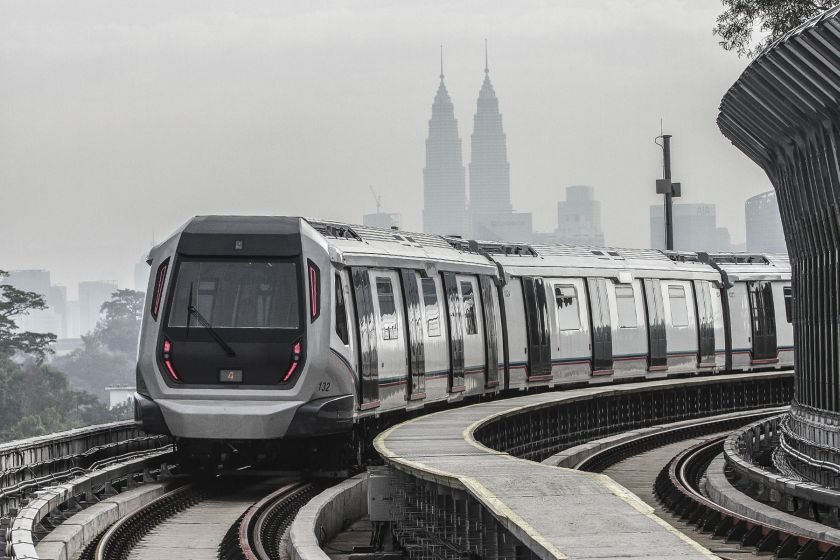
With an improved infrastructure and upgraded public transportation system, more people would be encouraged to use the public transport, he said, noting that the number of vehicles in the cities, especially during working days and peak hours, would also be minimised.
In addition, environmentally-friendly vehicles such as Energy Efficient Vehicles (EEVs) as well as hybrid, electric and fuel cell vehicles, should also be easily accessible to the public, he said.
Meanwhile, Penang Sustainable Natural Heritage Association (LEKAS) chairman Zikrullah Ismail said it is crucial that a sustainable community be created to enable them to have a better understanding on matters and policies related to the greenhouse gas (GHG) mission.
“The people will be more aware of issues related to GHG emissions including carbon emissions as more engagement sessions and policies related to air pollution are implemented at the state and national level as well as by the local authorities,” he told Bernama.
He said that LEKAS is of the view that a more holistic approach to dealing with traffic congestions would be through initiatives aimed at minimising smoke emissions from vehicles.
“In Penang for example, the state government has proposed the Penang Transport Master Plan (PTMP) project with the objective of reducing the traffic congestion.”
“Hence, we have sought for details on the traffic dispersal system to be implemented. We need to look at the processes and models used; if it boosts traffic volume and highway infrastructure growth that attracts more private vehicles to be on the road, hence the initiative would have more implications.”
“However, we are agreeable to the PTMP if it promotes the use of public transport or car-pooling,” he said, adding that the use of electric vehicles as public transport such as the Bus Rapid Transport (BRT) is the best approach to reduce the air pollution.
Johor Bahru and Kuching have advanced to the autonomous rapid transit (ART) or railless guided bus system, leaving Penang behind in terms of providing a fuel-efficient transport system for the people, he said.
He also said that highway expansion is not the best approach as it actually increases the traffic volume.
The state government’s PTMP project, costing an estimated RM46 billion, has envisaged more alternative transportation modes to combat the worsening traffic congestion across the state.
The PTMP consists of a 7.2 km long undersea tunnel linking George Town with Butterworth, highways and roads, light rail transit (LRT), bus rapid transit (BRT), monorail lines and a cable car line.
— BERNAMA
Join our Telegram channel to receive latest news alert