

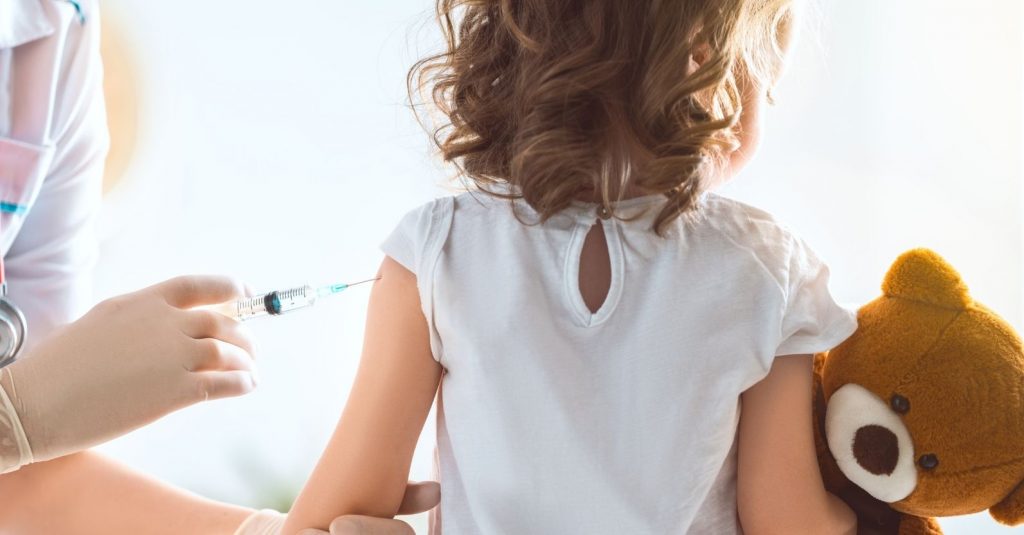
Malaysia kicked off its National COVID-19 Immunisation Programme for Kids (PICKids) on 3rd February 2022. The program is aimed at children aged between five to twelve years old. They will be given the mRNA vaccine Comirnaty® 10mcg Concentrate for Dispersion (PfizerBioNTech) in two doses, at 8 weeks interval. Clinical studies have shown that the vaccine is 90.7% effective in raising immunity to COVID-19.
Since the inception of PICKids, 661,752 children in Malaysia have been vaccinated with Sarawak recording the highest percentage with 34.7%, followed by Melaka at 31.6%; while Kelantan was among the lowest at 6.1% (*updated as of 24 February 2022)
According to the World Health Organization (WHO), although children and adolescents usually demonstrate fewer and milder symptoms compared to adults and are less likely to experience severe COVID-19, they can experience prolonged clinical symptoms (known as “long COVID-19”, post COVID-19 condition, or post-acute sequelae of SARS-CoV-2 infection). However, the frequency and characteristics of these conditions are still under investigation.
The most important indirect consequence is school closures which have disrupted the provision of educational services and increased emotional distress and mental health problems. Minimizing disruptions to education for children and ensuring their overall well-being, health and safety are important considerations.
Reducing the intergenerational transmission is another important public health objective for vaccinating children and adolescents. It also helps lessen school disruptions by lowering the number of infections at school and the number of children required to miss school because of quarantine requirements.
Here are some tips to ready your children for vaccination:
- Make sure you are up to date with the latest news before talking to children about COVID-19 vaccines. It is important that you understand it.
- Ask and listen – Invite your child to share what he or she has heard about the vaccines and listen to the responses. Let them know that they can always talk about their concerns.
- Be honest – Children have a right to know what is going on. Talk and explain to children in age-appropriate manner.
- Answer their questions – Children will be asking many questions, here are some suggested responses about COVID-19 vaccines:
- What is vaccine?
A vaccine is like a shield that protects one from an illness.
- How do vaccines work?
Vaccines teach your body how to fight off illnesses. They do that by putting a tiny piece of the germ that causes the illness you need protection from (or something that looks like the germ) inside your body, so your body can learn what it needs to do to fight it off. This way if you ever come into contact with the illness your body knows exactly what to do, which stops you from getting sick.
- Are vaccines safe?
Yes, vaccines are very safe! Millions of children (and adults!) get vaccinated every year, which helps protect them from lots of diseases. When we get a vaccine, we might get a temperature or some aches, but this doesn’t last long and is many times better than getting sick from the illness. These signs also show that the vaccine is working and that your body is building up the protection it needs to fight the disease.
Source: UNICEF Malaysia
Vaccination gives parents and children a peace of mind to resume normalcy. It acts as a shield of protection and a significant step towards endemicity.
Join our Telegram channel to receive latest news alert