

In an exclusive interview, BizTech Times speaks to Dr Selvaraj Y Subramaniam, President of the Malaysia Numismatic Society (MNS) on investing in old coins and banknotes.
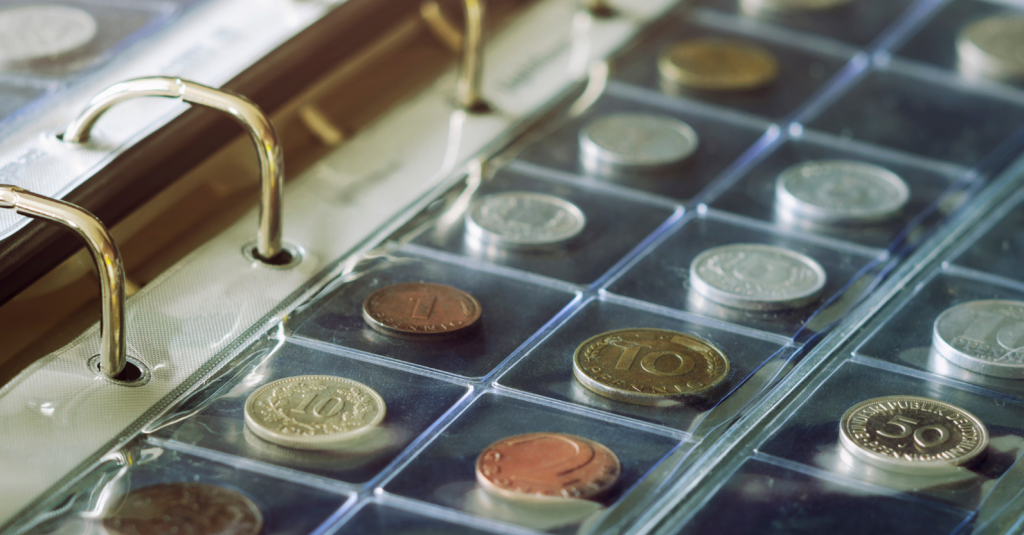
Whether ancient or modern, coins reflect the culture that produced them, which include aspects of politics, economics, religion, fashion and style. Collecting numismatic coins is becoming an increasingly popular hobby today. There are two common types of coin collection: numismatic and bullion. Numismatic refers to rare and collectible coins; while a bullion coin is known for its timeless value. Numismatic coins depend on the supply and demand for the coin, in addition to what it is made of. These coins are made not only of precious metals, like silver, gold or platinum, but also of common metals like copper, bronze or iron. It is influenced by its rarity (i.e., the number of coins in circulation), condition, age or purity. Some of the rare numismatic coins are perfect works of art which mirror the cultural and artistic visions of famous aristocrats, architecture, sculpture, and even paintings.
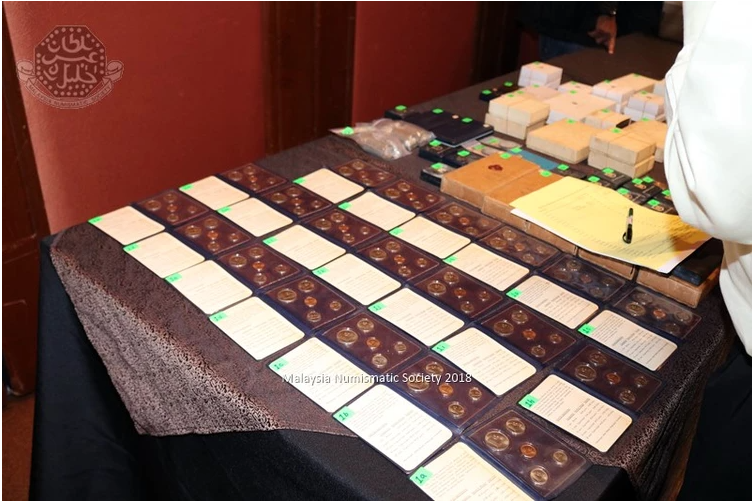
MNS Special Auction – 08 July 2018 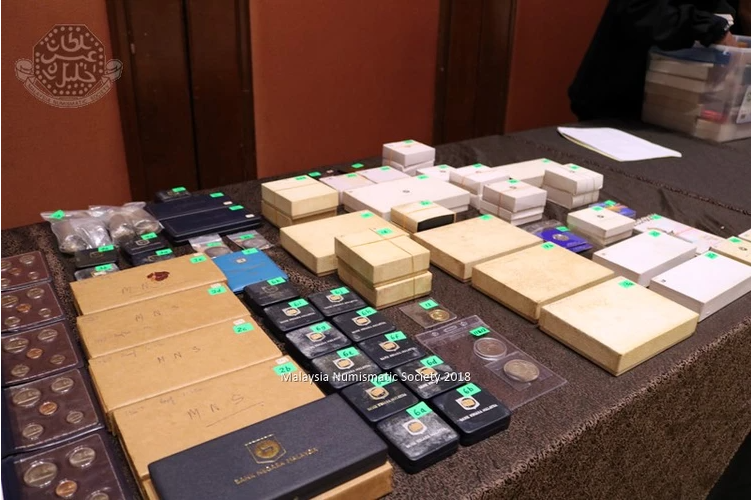
MNS Special Auction – 08 July 2018
Numismatics
“Coin collecting may have started as early as they were first minted some 3,000 years ago in what is today’s Turkey. This hobby expanded to include paper money when it was first used in China and later spread throughout the world. To the numismatist, to collect something is to own a piece of history because these artifacts are closely tied to the events at the time. The design of money is influenced by the government of the time, the available technology and often reflects the nation’s daily life, its culture or even its aspirations. More often than not, it also marks the change of a king, dynasty, governments or empires,” said Dr Selvaraj Y Subramaniam, President of the Malaysia Numismatic Society.
Established in 1968, the Malaysian Numismatic Society (MNS) is the oldest numismatic society in Malaysia. The society is a non-profit organization dedicated to the research, collection and documentation of coins, banknotes, medals, tokens and other related exonumia items. MNS also arranges the exchange or sale of material of numismatic interest by organizing lectures, seminars, symposiums and auctions. In 2019, to commemorate its Golden Jubilee year, the society struck limited-edition gold-plated medallions in 22 carat and 24 carats for sale to its members and the general public.
The rare coins available in Malaysia tell a unique and interesting story – from the Malay Sultans to the Portuguese who took Malacca, to the Dutch, then the British and for a short while, the Japanese during World War II, followed by what we know today as Malaysia. Each era presents a plethora of artifacts to collect and study, not to mention their varieties and many quirks that make the investor’s collecting journey an exciting one.
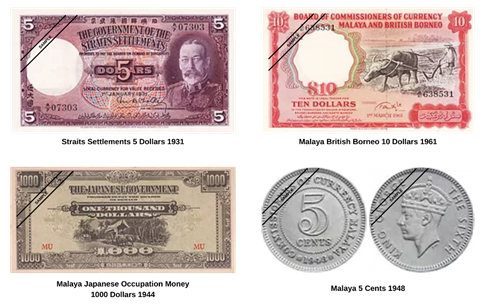
Guide to Collecting Old Coins and Banknotes
“Successfully investing in numismatic coins is not a simple task that can be learned within a short period of time. To truly become a great coin collector, it will take more than access to a variety of resources and people. Nevertheless, as the saying goes, ‘buy the book before the coin or banknote’ is an excellent way of encouraging collectors make smart decisions,” said Dr Selvaraj.
There are two catalogues MNS would recommend for collectors: Standard Catalogue of Malaysia, Singapore & Brunei Coin & Paper Money and Malaysia, Brunei & Singapore Banknotes and Coins. These books provide clear illustrations and price guides for various grades of coins and notes.
In Malaysia, the 1971 10 cent coin is highly sought after by collectors. The mintage for this coin is only 32,236 compared to the millions minted for the other years and an uncirculated piece cost about RM 1,500.
As for banknotes, the RM 1 with prefix ‘CR’ only with the signature of previous Bank Negara’s Governor, Tan Sri Dato’ Sri Ali Abul Hassan Sulaiman has a high value. The note was inadvertently released to the public in early 2003 and it is believed that only about 300 to 500 pieces are in circulation and a circulated condition cost about RM 800 while an uncirculated will fetch about RM 8,000.
Buying the right coin or banknote can give a collector an appreciation of about 10% annually. “Collectors are advised to buy coins and banknotes in uncirculated condition for they appreciate faster because of its scarcity compared to poorer grades which are also not very pleasant looking, not to mention the quantity,” said Dr Selvaraj. The 1971 Tunku Abdul Rahman RM100 gold coin with a gold weight of 18.66 grams is also a good investment for it appreciates about 6% annually. Moreover, it also depends on the current gold price.
Numismatic Collection as an Investment
Before deciding to start your own coin collection, collectors must be aware of the potential appreciation and investment rate that follows. To increase awareness on coin collection among young children, the Malaysia Numismatic Society is open to organizing talks and exhibitions.
With over 1,000 members both locally and abroad, the Malaysia Numismatic Society encourages and welcomes the general public to become members of its growing society.
Join our Telegram channel to receive latest news alert