

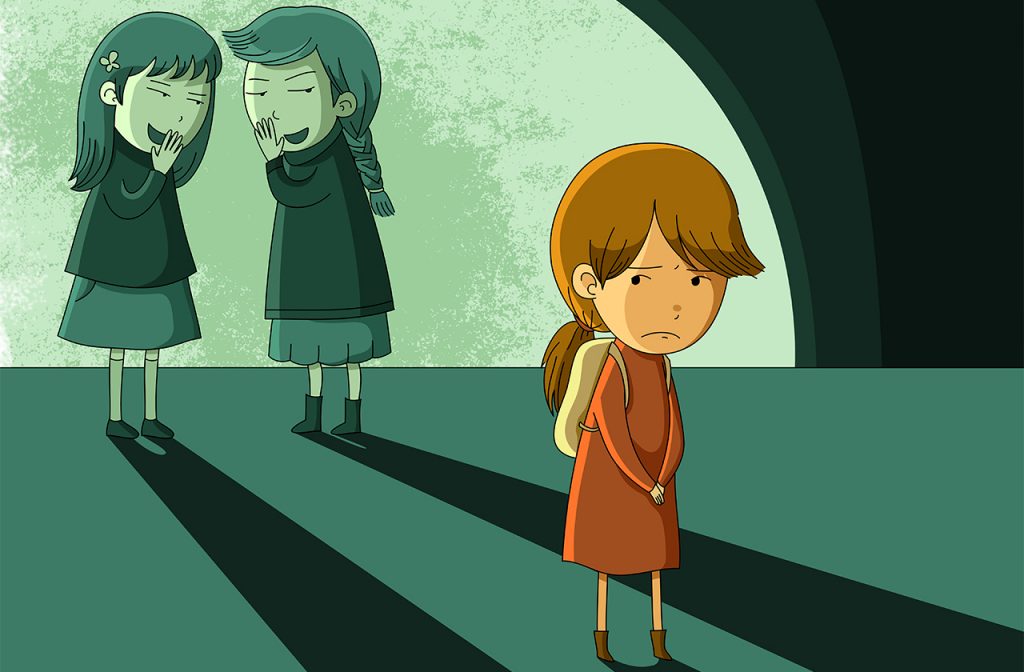
November is a month when cyberbullying is widely discussed around the world with events including the International Day Against Violence and Bullying to a week-long dedicated fight against this problem in the U.K., and countries uniting together to resist cyberbullying.
“Cyberbullying is a very complex and serious problem, which is quite possible to deal with. Studies show that children often do not tell adults that they are experiencing bullying. Building a trusting relationship with the child will help parents be aware if their child encounters bullying,” commented Andrey Sidenko, Lead web content analyst at Kaspersky.
Kaspersky experts have collected a range of tips for parents and children on what to do if you are bullied, and how to protect yourself.
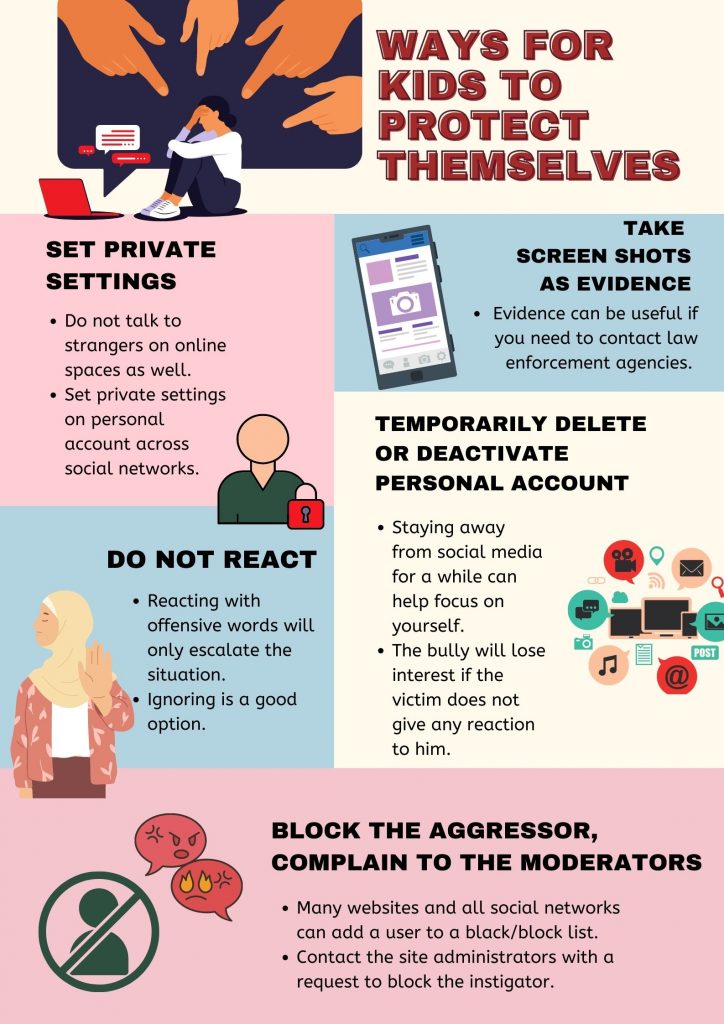
What kids can do to protect themselves from cyberbullying:
- Set private settings
Parents teach children not to talk to strangers on the street. So, why don’t we talk about the same rule applying to the online space? If it is impossible to completely protect yourself from the same bully neighbour, it’s also possible to do it on a personal account across social networks.
- Do not react
Reacting with offensive words will only escalate the situation. Trying to reason with the bully without the participation of adults is also not worth it. Ignoring them is the only way to protect yourself from a further abyss of clarifications and insults.
- Block the aggressor, complain to the moderators
Many websites and all social networks can add a user to a black/block list. Contact the site administrators with a request to block the instigator.
- Take screen shots as evidence
Evidence can be useful if you need to contact law enforcement agencies. You can also discuss the problem with the offender’s parents, or explain to them personally the possible consequences.
- Temporarily delete or deactivate personal account
Staying away from social media for a while can help focus on yourself. Moreover, the bully will be aware that the user is not reacting and will eventually lose interest in the possible victim, since they will not get any reaction. The most important thing is not to blame yourself for this situation.

Tips for parents
- Support and trust are essential elements
If children are faced with cyberbullying, parents can act as a support for them. However, according to various surveys, it’s a common situation when kids don’t share such problems with their parents. Nevertheless, parents can pay attention to possible signs, if their kids are being bullied. In particular, it could be issues with sleeping or eating, tearfulness or sadness with irritability or avoiding going to school as well as withdrawing from the normal fun activities they once enjoyed.
- Prohibit is not an answer
Prohibiting the use of social media or the internet is not the perfect solution to the cyberbullying issue. Such a step can complicate relations with any child as they can move away, withdraw, and become less in contact. It would be much more effective to help them take a critical attitude to the situation, to “disconnect” the bully’s messages from the kids’ personalities. In addition, such situations can help children comprehend what is happening as an experience that will help them form skills to counter cyber aggression and manipulation.
- Keep in touch with kids online
Another good option is to keep in touch with your child on social networks and instant messengers. It can help to check children’s posts and better understand their situation.
- Don’t dismiss the digital help
Today’s technology also comes with several parental controls to help safeguard kids from harmful or inappropriate online material. Parents can also avail themselves of third-party apps, which offer protection from harmful content, as well as enables them to set screen time limits, monitor their online activity, or also track their location with GPS.
Join our Telegram channel to receive the latest news alert