

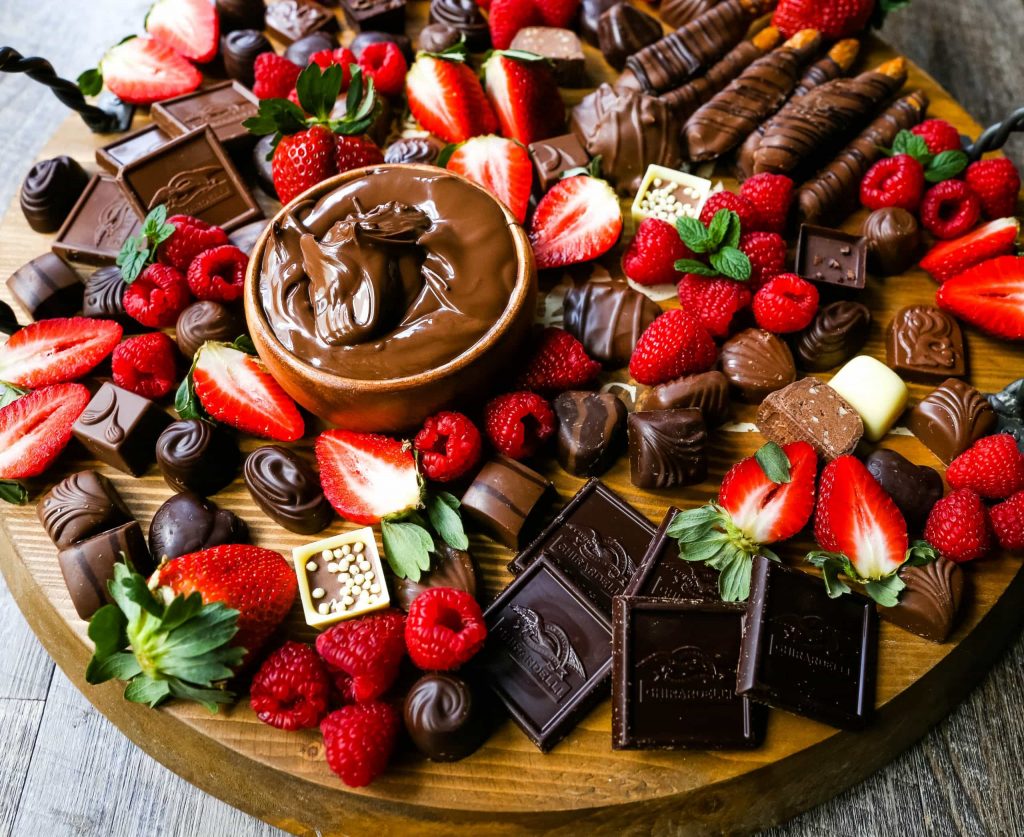
Chocolates, also known as ‘food of the gods’, have the magical ability to assume so many different forms. Poured into molds in liquid form, it may reappear in the shape of bars, Easter eggs, or confectionery products.
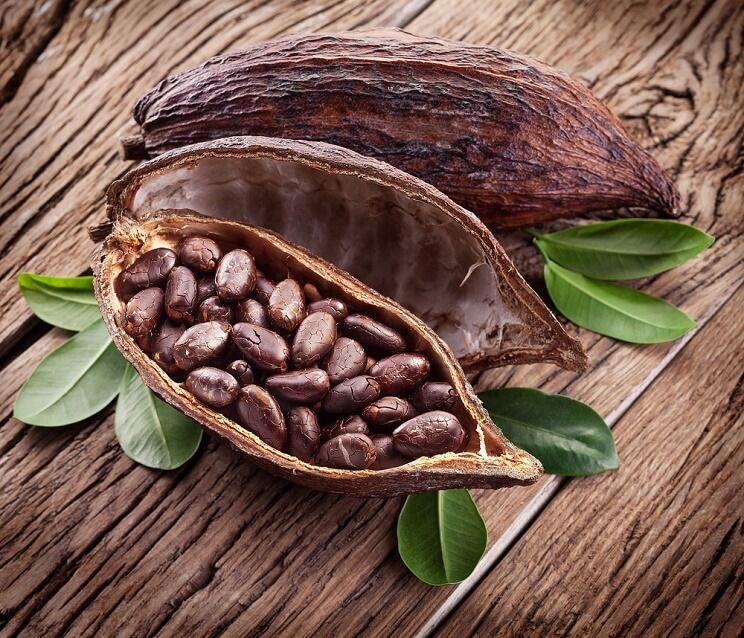
Most of us tend to think of chocolates as a sweet candy created during modern times, when it actually dates back to the ancient Aztec and Mayan civilizations who drank chocolate as a bitter beverage. This tasty secret comes from the cacao tree discovered some 2,000 years ago in the tropical rainforests of the Americas. Apparently, the early inhabitants of the forests discovered that the pods from this great tree contain seeds that can be compressed into chocolate.
The sophisticated Aztec civilization learnt how to flavour cocoa paste with spices such as chili peppers and cornmeal, in order to make a nourishing and invigorating drink.
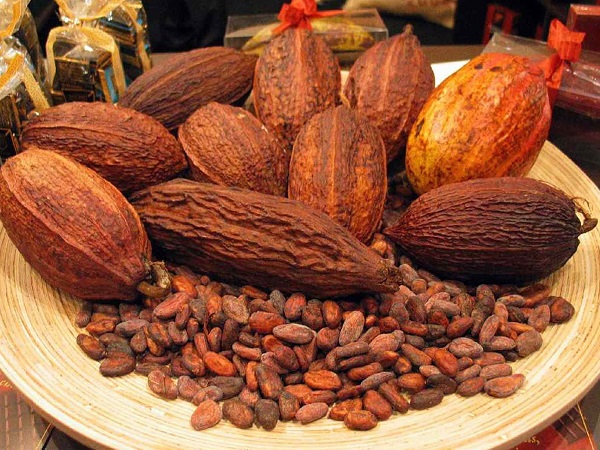
Chocolate became so appreciated and valued that during royal and religious ceremonies the high priests would present the cacao seeds as offerings to the gods and serve chocolate drinks. Cocoa beans were also used as a form of currency by the Aztecs and Mayans.
Arrival of Europeans
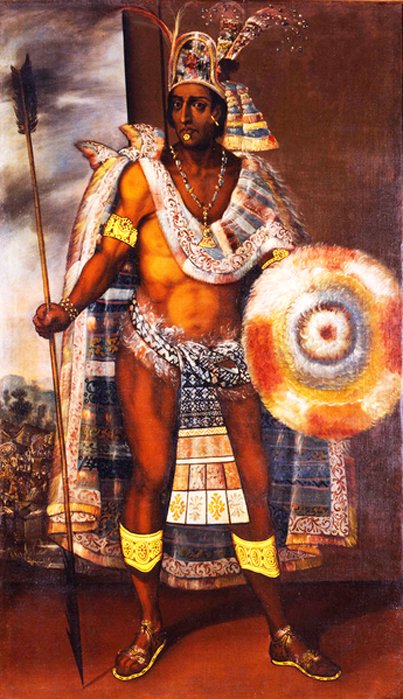
Europe’s first contact with chocolate came during the conquest of Mexico in 1521. Aztec Emperor Moctezuma presented Spanish explorer Hernando Cortez with a drink of hot cocoa called “cacahnuatt” at a special ceremony. Deeply suspicious at first of the highly spiced and bitter beverage, Cortez and his comrades eventually found themselves becoming accustomed to it; more so as their wine reserves started to run out. Soon after, the Spanish began to ship cacao seed home.
Cocoa reached Europe long before tea or coffee. In 1753 the Swedish botanist, Carolus Linnaeus gave the cocoa plant its scientific name, Theobroma cacao or the food of the gods. Interest grew and chocolate became popular among the Spanish nobility. Chocolate beverage consumed at that time was, of course, quite different from today’s chocolate drinks. It consisted or roasted ground whole cocoa beans with added spices which turned the bitter drink either red or black.
Symbol of Wealth
For centuries, chocolate remained a handmade luxury sipped only by society’s upper crust. The Spanish doctored up the bitter brew with cinnamon and other spices, and later began sweetening it with sugar. Because cacao and sugar were expensive imports, only those with money could afford to drink chocolate. Hence, chocolate became an elite beverage and a status symbol for Europe’s upper classes for the next 300 years.
In 1657, chocolate arrived in Great Britain, where the fashion for drinking it soon began to rival the vogue for coffee. Eating chocolate sold in the form of “Spanish rolls,” also became a popular delicacy from 1674. In 1697, London saw the opening of the first of many famous chocolate houses. Switzerland came late to chocolate as it was introduced by Italian merchants in 1750. But another 150 years were to pass and many new techniques and inventions to be perfected before chocolate were to accomplish its universal and popular conquest in Europe.
The 19th century marked two revolutionary developments. In 1847, an English company introduced solid “eating chocolate” through the development of fondant chocolate, a smooth and velvety variety that has almost completely replaced the old coarse grained chocolate which formerly dominated the world market. In the Netherlands, Coenraad Van Houten developed a process for making cocoa powder by extracting the cocoa butter, complementing his invention by perfecting a technique to ensure greater solubility.
In Vevey, Switzerland, Daniel Peter devised a way of adding milk to chocolate, creating the product we enjoy today as milk chocolate. In Italy, Paolo Caffarelli created the recipe for the hazelnut and almond chocolate that came to be known as gianduja. In Belgium, Jean Neuhaus invented the praline chocolate. And finally, again in Switzerland, Philippe Suchard earned worldwide fame largely through the success of his celebrated milk chocolate bar, Milka.
By the 1800s, mass production made solid chocolate candy affordable to a much broader public. The Industrial Revolution witnessed the development of an enormous number of new mechanical inventions. For instance, the steam engine made it possible to grind cacao and produce large amounts of chocolate cheaply and quickly.
Later inventions like cacao press and the conching machine made it possible to create smooth, creamy, solid chocolate for eating-not just liquid chocolate for drinking.
Nourishing Treat
During the Second World War, the US Government recognized chocolate’s role in the nourishment and group spirit of the Allied Armed Forces, so much so it allocated valuable shipping space for the importation of cocoa beans. Many soldiers were thankful for the product chocolate bars which gave them the strength to carry on until more food rations could be obtained.
By the early twentieth century, chocolate had become an integral part of almost every child’s breakfast and tea-time treats. Today, we can also enjoy a delicious selection of German Black Forest gateau, chocolate eclairs, Belgian pralines, chocolate-dipped pirouette, gourmet truffles, chocolate cream buns and chocolate macaroons. Although the texture and taste of chocolate have changed over the centuries, it still reigns as one of the world’s favorite flavors.