

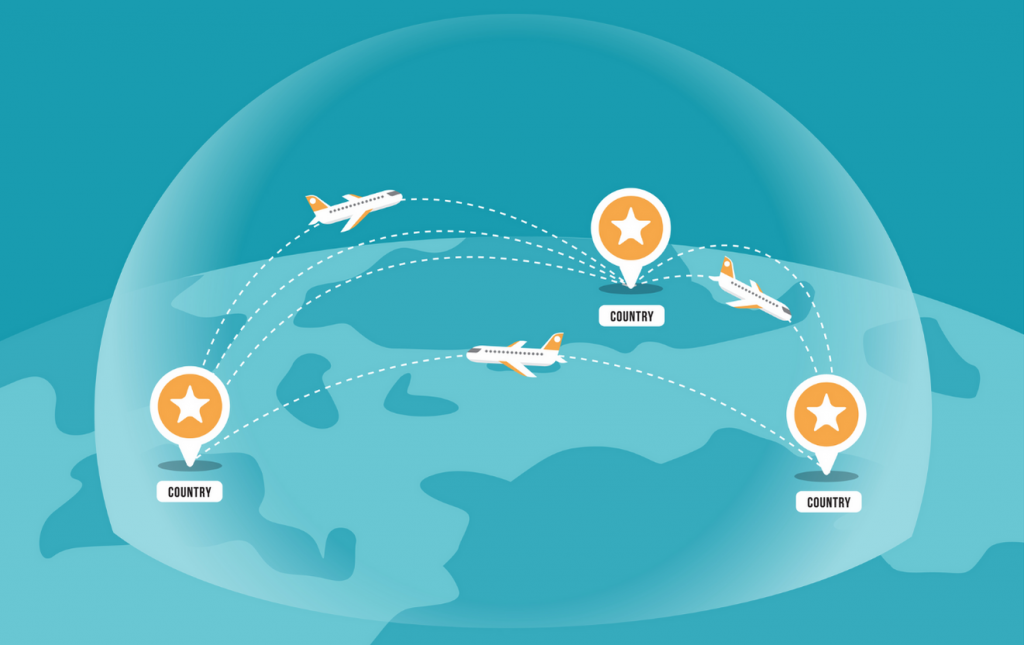
Travel Bubble Initiative
Commenting on the travel bubble initiative, Mohd Daud said it will not only benefit the healthcare travel industry but also contribute to the nation’s growth as part of its economic recovery.
(A travel bubble is a partnership between two or more countries that allows for quarantine-free travel in both directions.)
However, he said at this moment, the nation’s priority is to ensure that it achieves its COVID-19 inoculation targets to keep the virus at bay.
On promoting domestic healthcare travel, Mohd Daud said this is already taking place in Malaysia with patients seeking treatment at the hospital of their choice or with a particular specialist.
“Now that interstate border restrictions have been eased, we are confident that local patients would continue to get medical care in their facility of choice.
“We continuously promote and encourage all expatriates who are residing in Malaysia to experience our healthcare offerings in our private healthcare facilities,” he said, adding that MHTC was established mainly to facilitate foreign healthcare travellers to seek treatment at private hospitals in this country.
Mohd Daud also said that as Malaysia reaches post-pandemic normalcy, the agency foresees some adjustments being made across the sphere for healthcare providers.
“Healthcare facilities will have to equip themselves with the necessary standard operating procedures (SOPs) and infrastructure to support and deliver a much safer and enhanced patient experience, driven by excellent service delivery.
“Similarly, tourism offerings must also adapt to the ever-changing consumer behaviour as a result of the pandemic. The safety of the people is our topmost priority and we trust that the authorities will apply the right mechanisms to ensure the correct protocol is put in place with the reopening of borders,” he said.
Green List Countries
Meanwhile, senior lecturer at the Faculty of Hotel & Tourism Management at Universiti Teknologi MARA (UiTM) Melaka Akmal Adanan said the travel bubble initiative and green light for interstate travel should be leveraged with the implementation of a health tourism bubble for green list countries and people who are fully vaccinated.
(Green list countries refer to nations and territories that are safe enough to visit without the need to quarantine on return.)
He said the health tourism bubble has an advantage for patients and service providers as the influx of tourists for that purpose will take place under a controlled setting.
“Hospitals and health tourism service providers need to have strategies, such as collaborating with travel agencies, to introduce inclusive, interesting and affordable packages to a larger market segment.
“A comprehensive medical tourism package may include medical screening, accommodation, transportation and safe recreational activities. In fact, it’s about providing a package that ensures a seamless travel experience for patients from the moment they leave their country,” he said.
Akmal said in order for Malaysia to become a competitive post-pandemic destination for health tourism, it should also focus on risk management and safety measures that involve travel agencies, hotels, health facilitators, tour guides, and transportation and logistics providers,” he said.
He said hospitals can also introduce hybrid service models in the treatment process for international patients, including allowing bookings through online applications and offering tele-consulting services, webinars and medical delivery services.
“Such initiatives will give added value to our medical tourism industry and also make it more convenient for the patients and reduce the risk of COVID-19 infections as well as ensure that services and treatments are offered at the optimum level,” he added.
Economic Impact of Healthcare Travel Industry
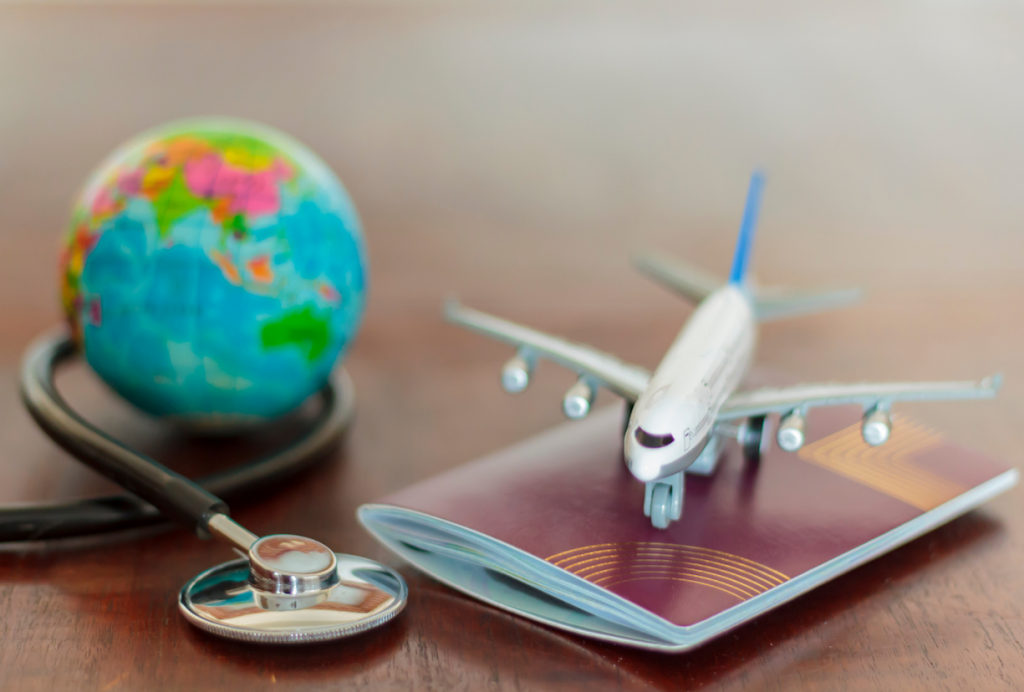
Malaysia’s healthcare travel industry, anchored heavily on public-private partnerships, raked in RM1.7 billion in hospital receipts in 2019, with the spillover effects onto other industries contributing an estimated RM7 billion in economic impact. This accounts for air travel, accommodation, food and beverage, leisure activities and more. The industry has successfully created over 15,000 jobs and attracted RM10 billion in investments since 2012. Prior to the COVID-19 pandemic, Malaysia’s healthcare travel industry had contributed significantly to the nation’s economy. The number of healthcare travellers that came to Malaysia from 2011 to 2019 had increased by about 90 percent and in 2019, Malaysia’s healthcare travel industry recorded RM1.7 billion in revenue.
— BERNAMA
Join our Telegram channel to receive latest news alert